

Dissect-It Gel Frog Lab Plus
$24.95
For decades, the Northern Leopard Frog has been the go-to specimen for dissection. But unlike many lab organisms, these frogs are not widely farmed. Most are collected from the wild, and those populations have been declining since the 1970s.
Several factors are contributing to the shortage: habitat loss, pesticide exposure, widespread fungal disease affecting amphibians, and climate-related changes to wetland environments. As populations decrease, states have tightened collection permits, further limiting supply. The result is fewer specimens available across the entire market.
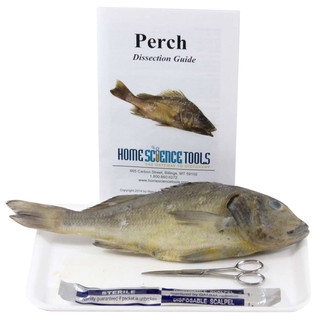
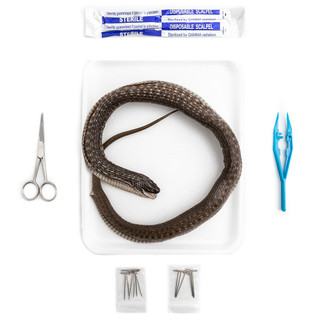
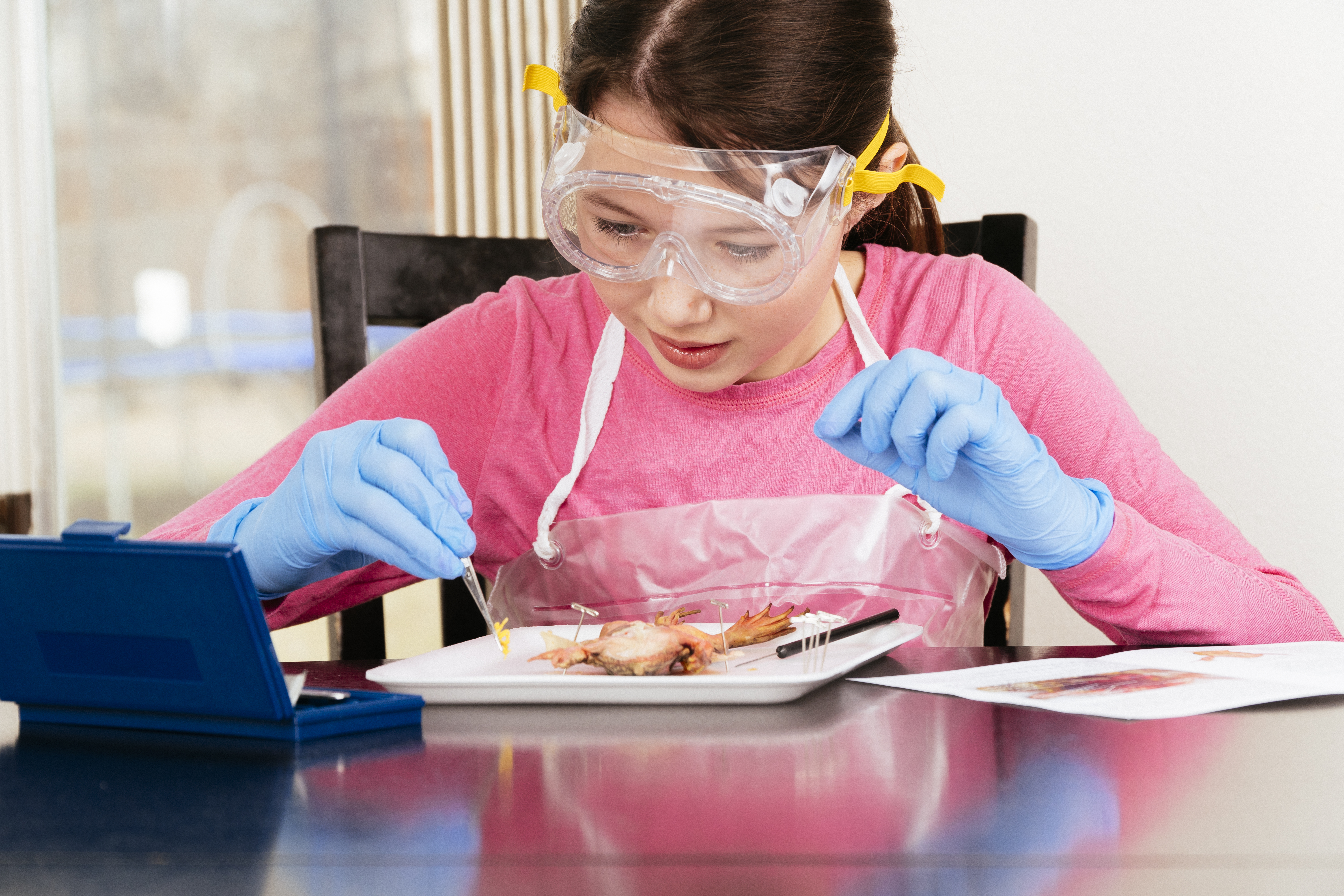
While frogs have been a familiar starting point, they’re not the only way to teach anatomy. In fact, using a range of specimens can help students build a stronger understanding of how body systems compare across species.
You can also incorporate anatomical models or virtual dissection tools to reinforce learning or provide additional flexibility.
A steady approach to changing conditions
Science education often reflects what’s happening in the natural world. As amphibian populations shift, so do the materials available to us. But the goal remains the same: helping students understand how living systems are designed and how they function.
Students still get the full experience, just through a different lens.